Headache disorders are among the most common reasons for neurological consultation. These conditions can range from mild and occasional discomfort to severe, disabling pain that affects daily life. They may be primary (such as migraine or tension-type headache) or secondary to underlying conditions.
Migraines are often throbbing and one-sided, accompanied by nausea and sensitivity to light or sound. Tension-type headaches are more constant and band-like, while cluster headaches are extremely painful and localized around one eye. Secondary headaches can result from infections, high pressure, or structural brain issues.
Accurate diagnosis is based on symptom history and neurological evaluation. Management includes lifestyle changes, pain relief medications, preventive therapies, and addressing any underlying causes when applicable.

Vertigo and balance disorders are common neurological problems that can severely affect a person’s ability to walk, function, and maintain quality of life. Vertigo is the sensation of spinning or movement when none is present, often described as dizziness. It may arise from issues in the inner ear (peripheral causes) or from the brain and brainstem (central causes).
Common peripheral causes include Benign Paroxysmal Positional Vertigo (BPPV), where loose crystals in the inner ear lead to brief spinning episodes with head movement,Vestibular Neuritis, which is a sudden loss of balance often due to viral inflammation, and Meniere’s Disease, which presents with episodes of vertigo, hearing loss, and ear fullness.
Central causes of vertigo include stroke, multiple sclerosis, and brainstem or cerebellar lesions. These usually present with imbalance, visual disturbances, and coordination problems. Elderly individuals may experience imbalance due to multisensory deficits involving vision, proprioception, and vestibular function, increasing fall risk.
Diagnosis is based on clinical history, examination, and sometimes imaging. Treatment depends on the underlying cause and may include physical therapy (vestibular rehabilitation), medications, or repositioning maneuvers in the case of BPPV.
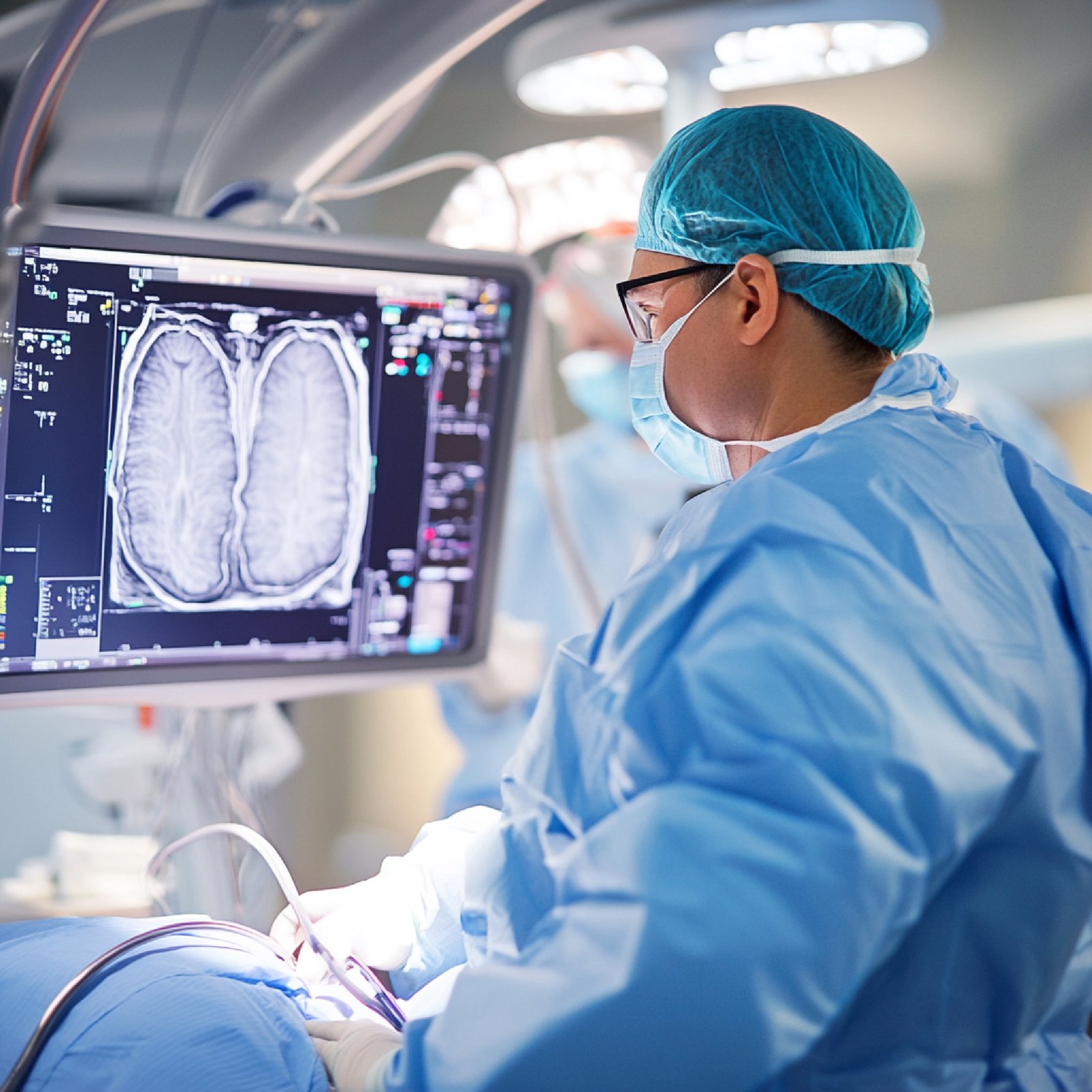
Stroke and Transient Ischemic Attacks (TIAs) are caused by a disruption in blood supply to the brain. Strokes may result in permanent brain damage, while TIAs are temporary but signal a high risk of future stroke.
Symptoms include sudden weakness, facial droop, difficulty speaking, loss of vision, or imbalance. Early recognition and treatment are crucial—ischemic strokes may benefit from thrombolysis or thrombectomy if treated within a specific time window.
Management includes brain imaging, blood pressure control, antiplatelet therapy, statins, and rehabilitation. TIAs are treated with risk factor control to prevent recurrence. Prompt care can significantly reduce disability and improve outcomes.
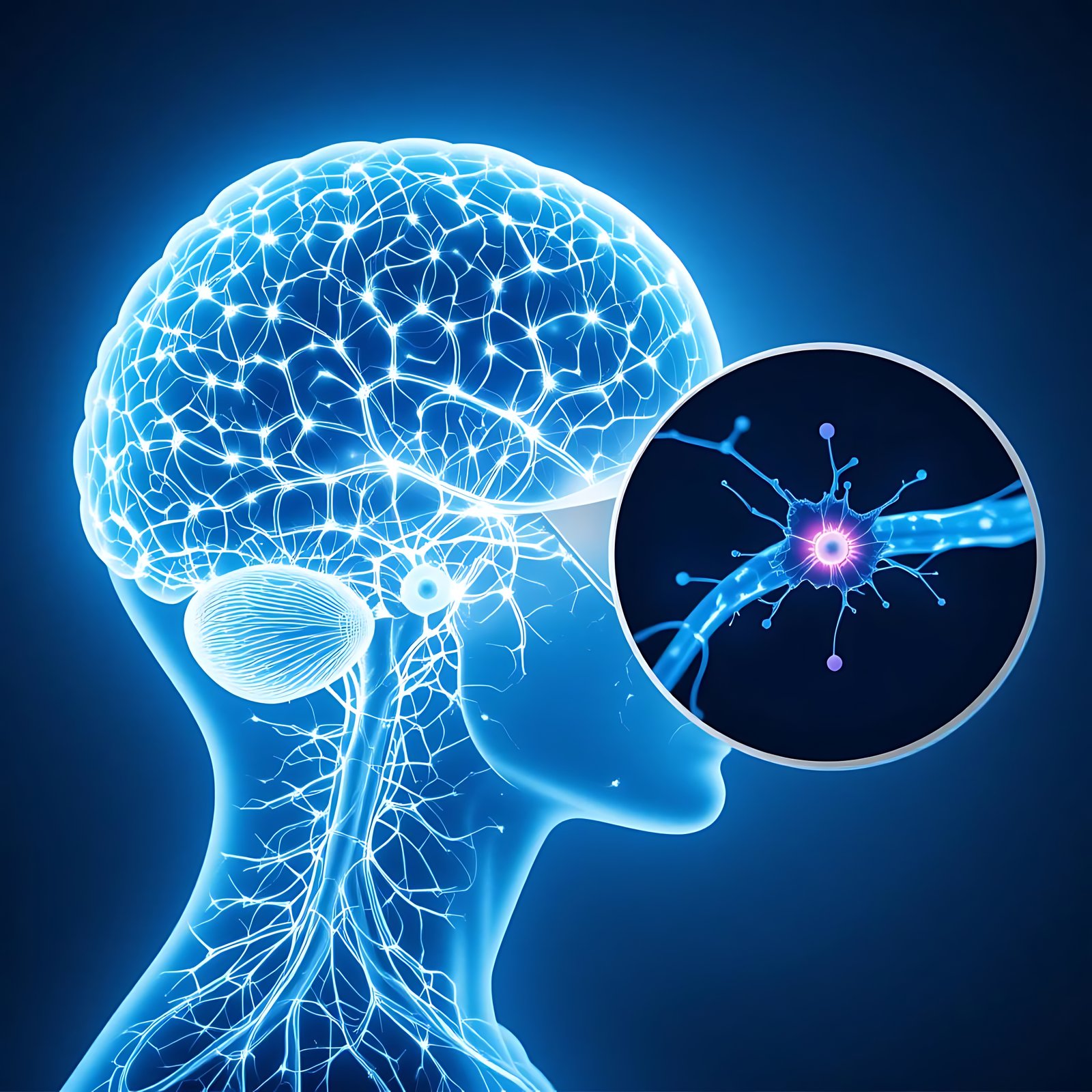
Epilepsy is a disorder in which abnormal electrical activity in the brain leads to repeated seizures. Seizures can vary in type and severity—from brief lapses in awareness to full-body convulsions.
Causes include genetic factors, brain injury, infections, tumors, or developmental issues, though many cases remain idiopathic. Seizure types include focal, generalized, and unknown onset, each with specific symptoms and management strategies.
Diagnosis is based on clinical history, EEG findings, and brain imaging. Treatment includes anti-seizure medications, lifestyle adjustments, and in some cases, surgery or neurostimulation. Early and consistent treatment helps achieve long-term seizure control.
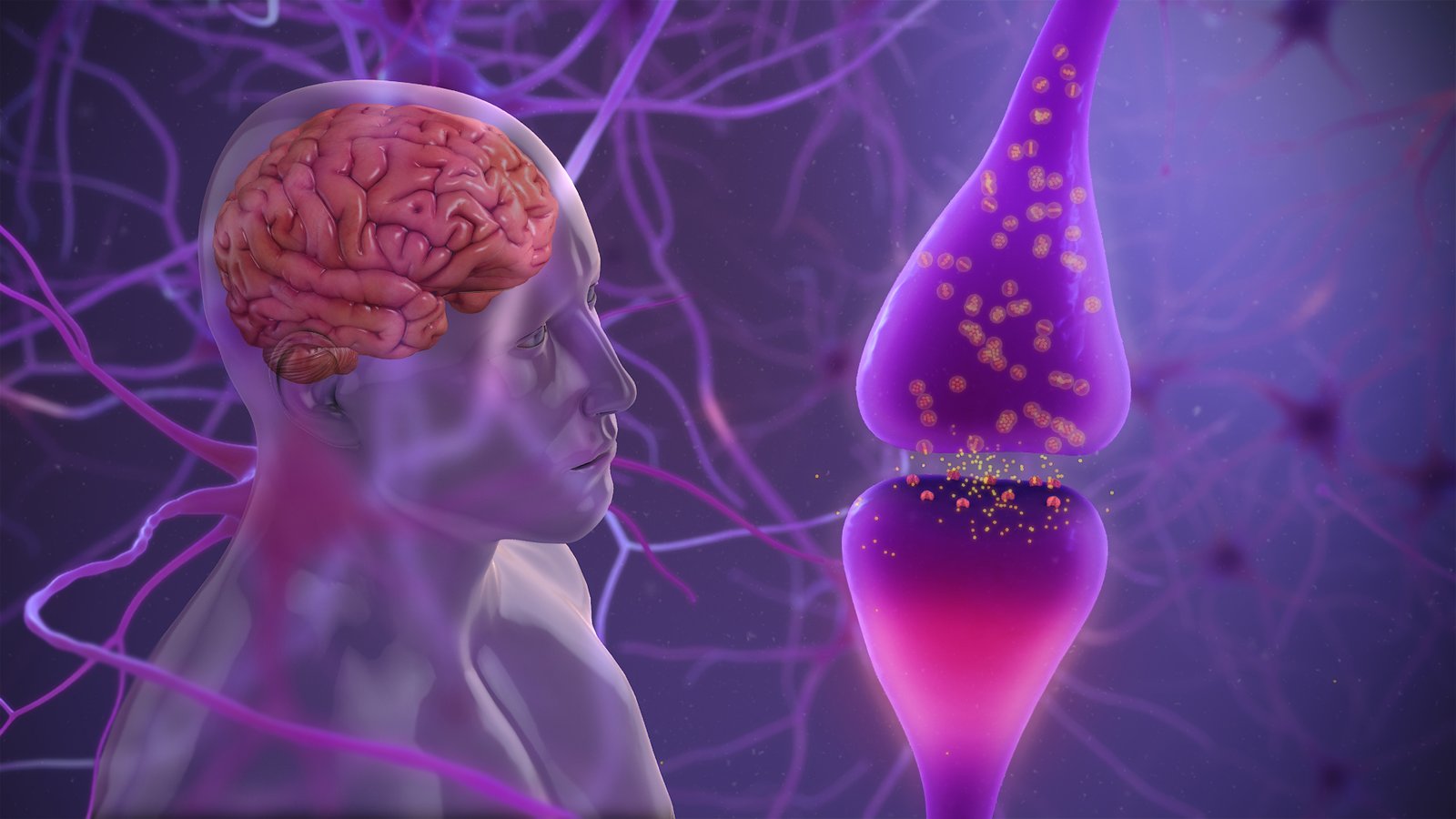
Parkinson’s Disease is a progressive neurological disorder that affects movement, balance, and coordination. It often begins with tremors and gradually leads to rigidity and slowed movement.
Movement disorders also include conditions like dystonia, essential tremor, and chorea. Each requires specialized diagnosis and tailored treatment plans.
Treatment typically involves medications that boost dopamine activity, physical therapy, and sometimes advanced options like Deep Brain Stimulation (DBS) for selected patients.
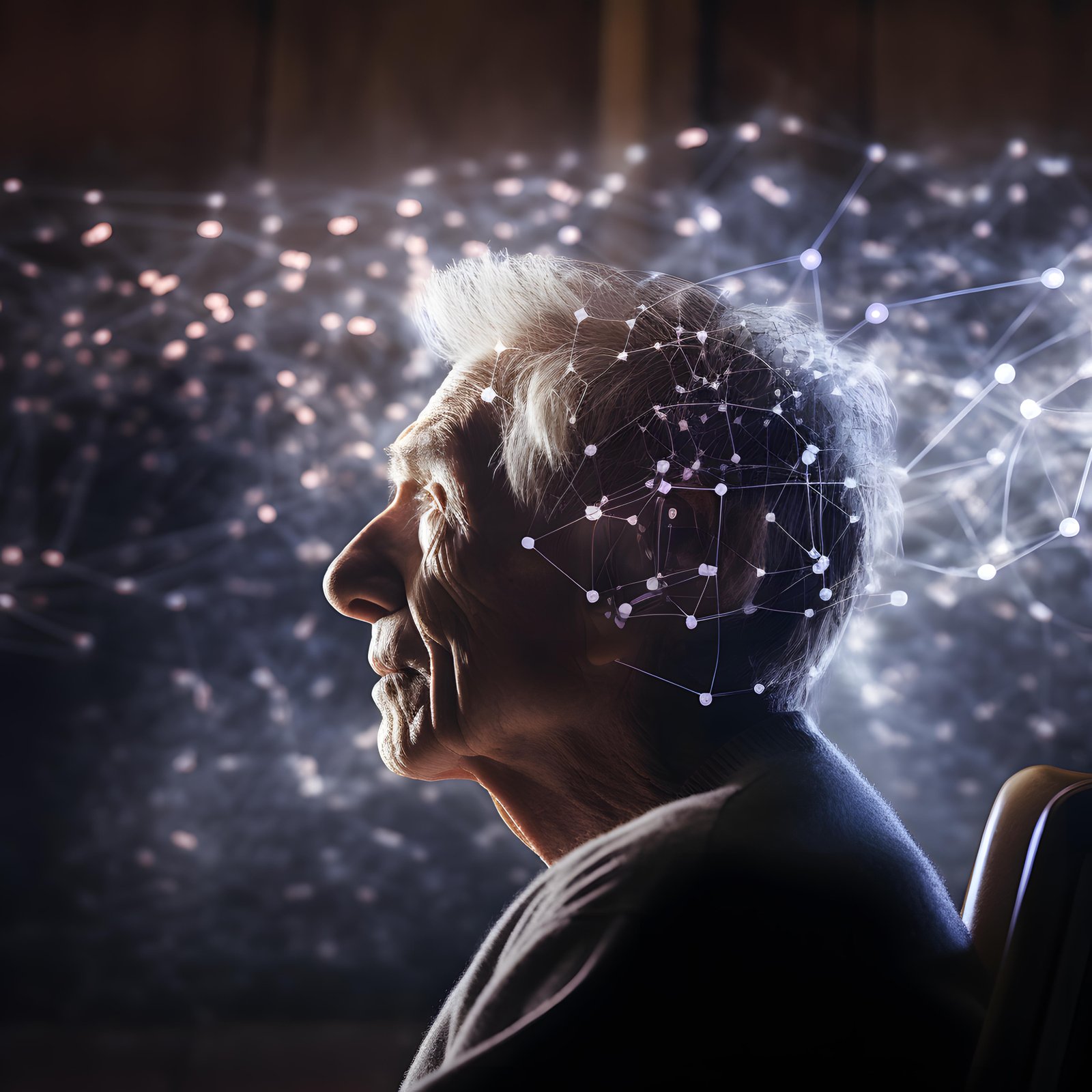
Dementia is a group of conditions characterized by impairment in memory, thinking, behavior, and the ability to perform everyday activities. Alzheimer’s disease is the most common type.
Other causes include vascular dementia, Lewy body dementia, and frontotemporal dementia. Early diagnosis helps in managing symptoms and planning care.
Treatment focuses on symptom control, slowing disease progression, and supporting the patient and caregivers through medications, therapy, and memory support programs.
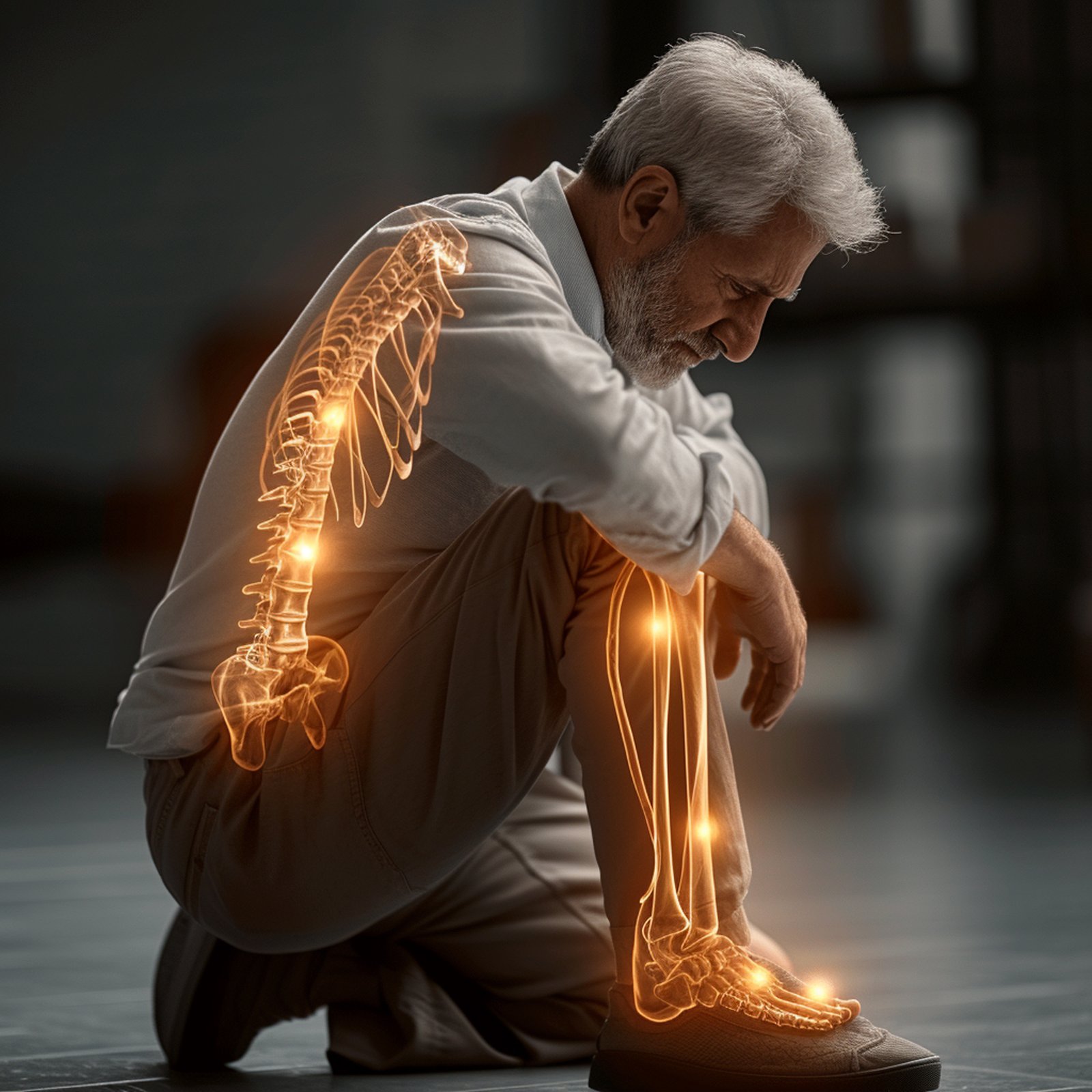
Neuropathies are disorders that affect the peripheral nerves responsible for carrying signals between the brain, spinal cord, and the rest of the body. These conditions can involve sensory, motor, or autonomic nerves.
Causes include diabetes, autoimmune diseases, infections, vitamin deficiencies, toxins, and inherited conditions. Symptoms may involve numbness, tingling, burning pain, muscle weakness, or loss of reflexes—usually starting in the hands or feet.
Diagnosis involves clinical examination, nerve conduction studies (NCV/EMG), and blood tests to identify the underlying cause. Treatment focuses on addressing the root cause, relieving symptoms, and slowing progression with medications, lifestyle changes, and physical therapy.

Myopathies are a group of muscle disorders where the muscle fibers themselves are affected. These conditions typically cause muscle weakness, cramps, stiffness, and exercise intolerance. Unlike neuropathies, the issue lies within the muscle, not the nerves.
Myopathies may be inherited (such as muscular dystrophies) or acquired due to autoimmune conditions, infections, medications, metabolic issues, or endocrine disorders. Common autoimmune types include polymyositis, dermatomyositis, and inclusion body myositis.
Diagnosis involves blood tests (like CK levels), electromyography (EMG), MRI, and sometimes muscle biopsy. Treatment depends on the cause and may include immunosuppressive therapy, physical rehabilitation, and supportive care to improve mobility and function.