Infections of the Brain and Nervous System
Inflammatory conditions caused by viral, bacterial, and
atypical pathogens
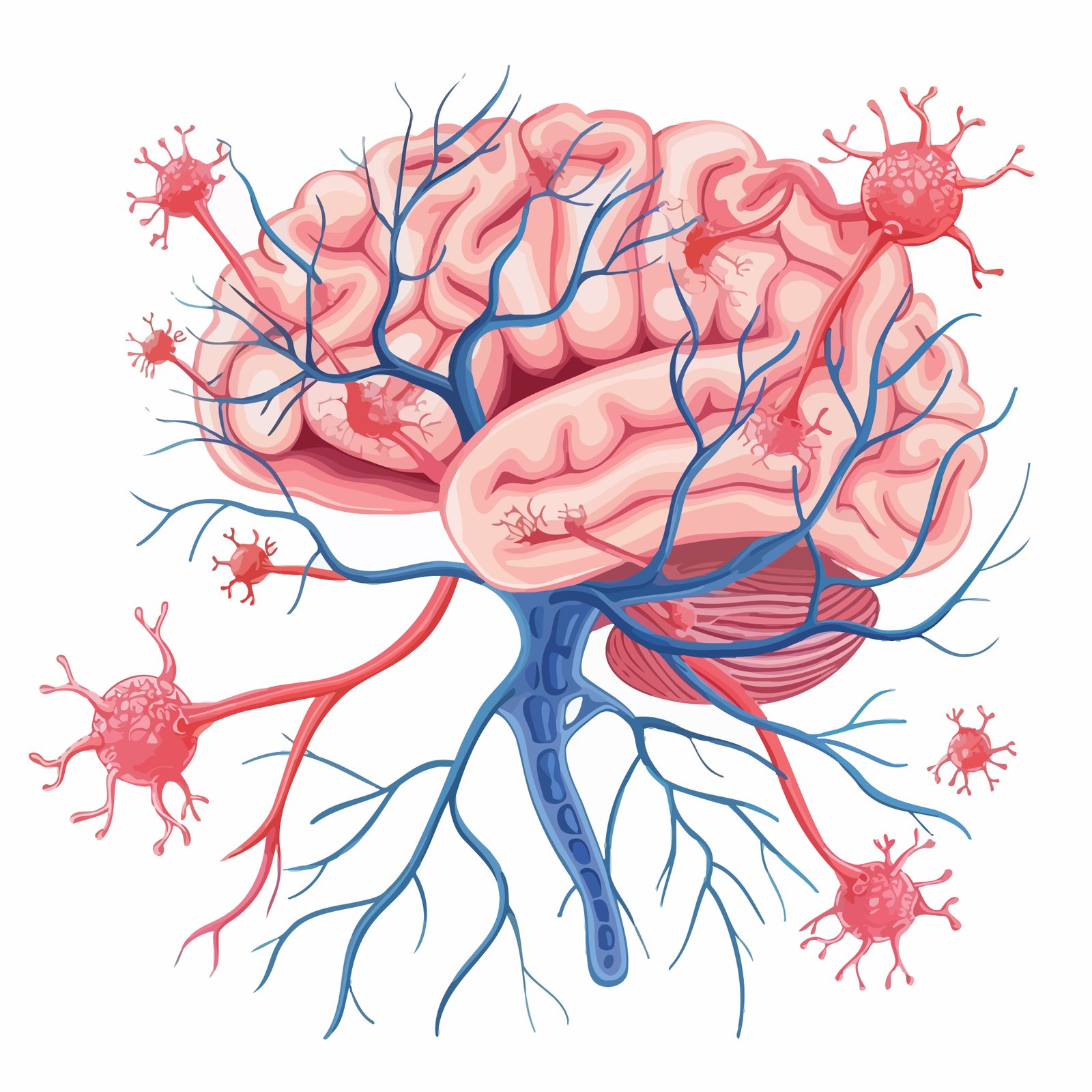
The central nervous system (CNS) is vulnerable to a range of infections that may
involve the brain, spinal cord, or meninges. These conditions can be
life-threatening and require prompt medical attention.
A key syndrome is Meningoencephalitis, caused by various
pathogens:
-
HSV (Herpes Simplex Virus): Common cause of viral
encephalitis with sudden onset and serious complications.
-
HIV-related Infections: May lead to chronic viral
encephalitis or secondary CNS infections in immunocompromised
individuals.
-
TB (Tuberculous Meningitis): Atypical bacterial cause
with slow progression, more prevalent in developing regions.
-
Bacterial Infections: Includes Streptococcus pneumoniae
and Neisseria meningitidis, leading to acute meningitis.
-
COVID-19 Related: May trigger autoimmune encephalitis
or direct viral invasion of the CNS.
-
Other Rare Infections: Includes fungal, parasitic, or
emerging viral infections, particularly in immunocompromised patients.
Diagnosis typically involves cerebrospinal fluid (CSF) analysis, MRI, and PCR
testing. Treatment depends on the underlying pathogen and may include
antivirals, antibiotics, antifungals, or corticosteroids.