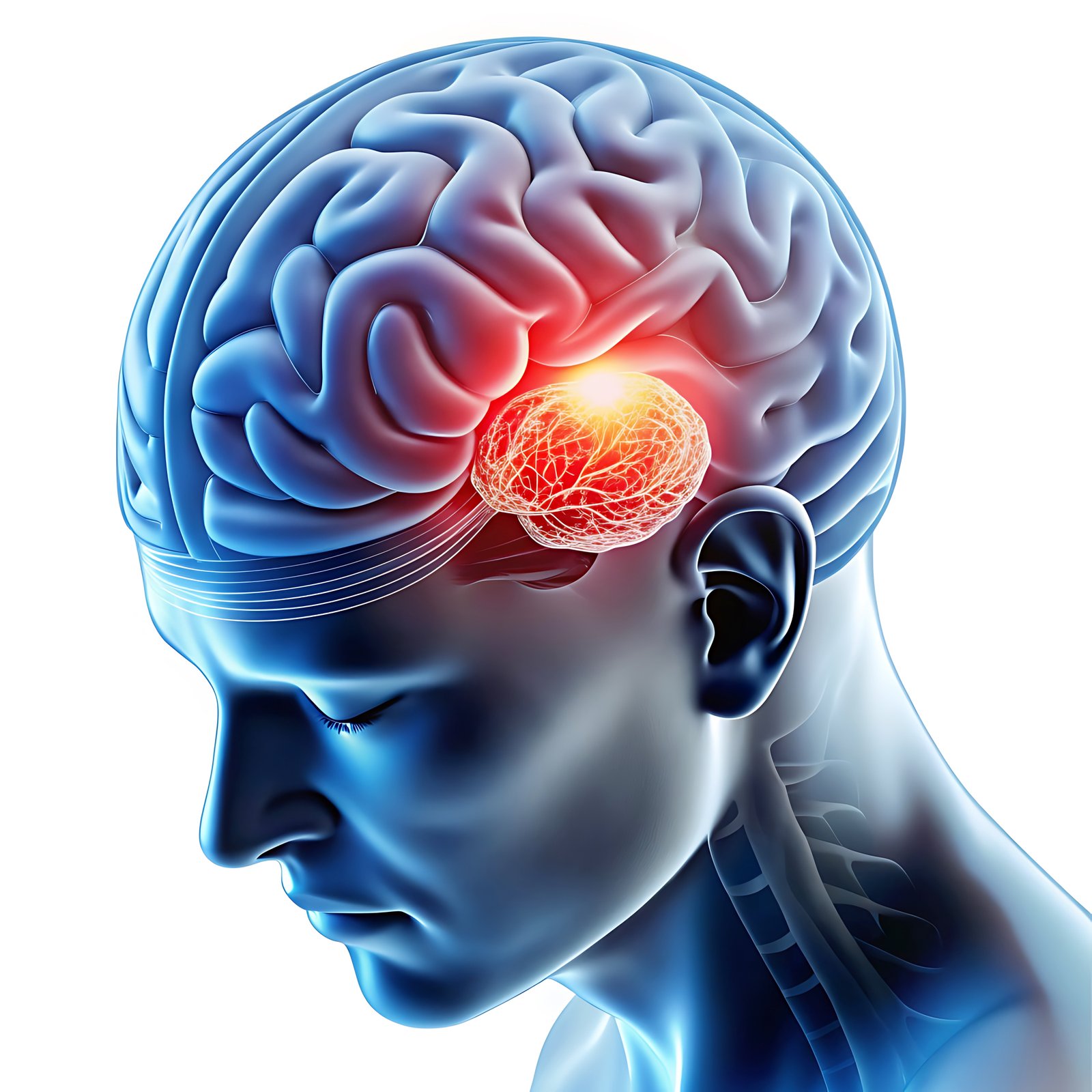
Autoimmune encephalitis is a condition in which antibodies attack proteins on brain cells, causing inflammation of the brain. Patients may develop seizures, memory loss, confusion, behavioral changes, or psychiatric symptoms. Early diagnosis using MRI, EEG, and antibody testing allows prompt treatment with immunotherapy.
Common types include NMDA receptor encephalitis, LGI1 encephalitis, CASPR2 antibody syndrome, IgLON5 disease, and GABA or AMPA receptor encephalitis.
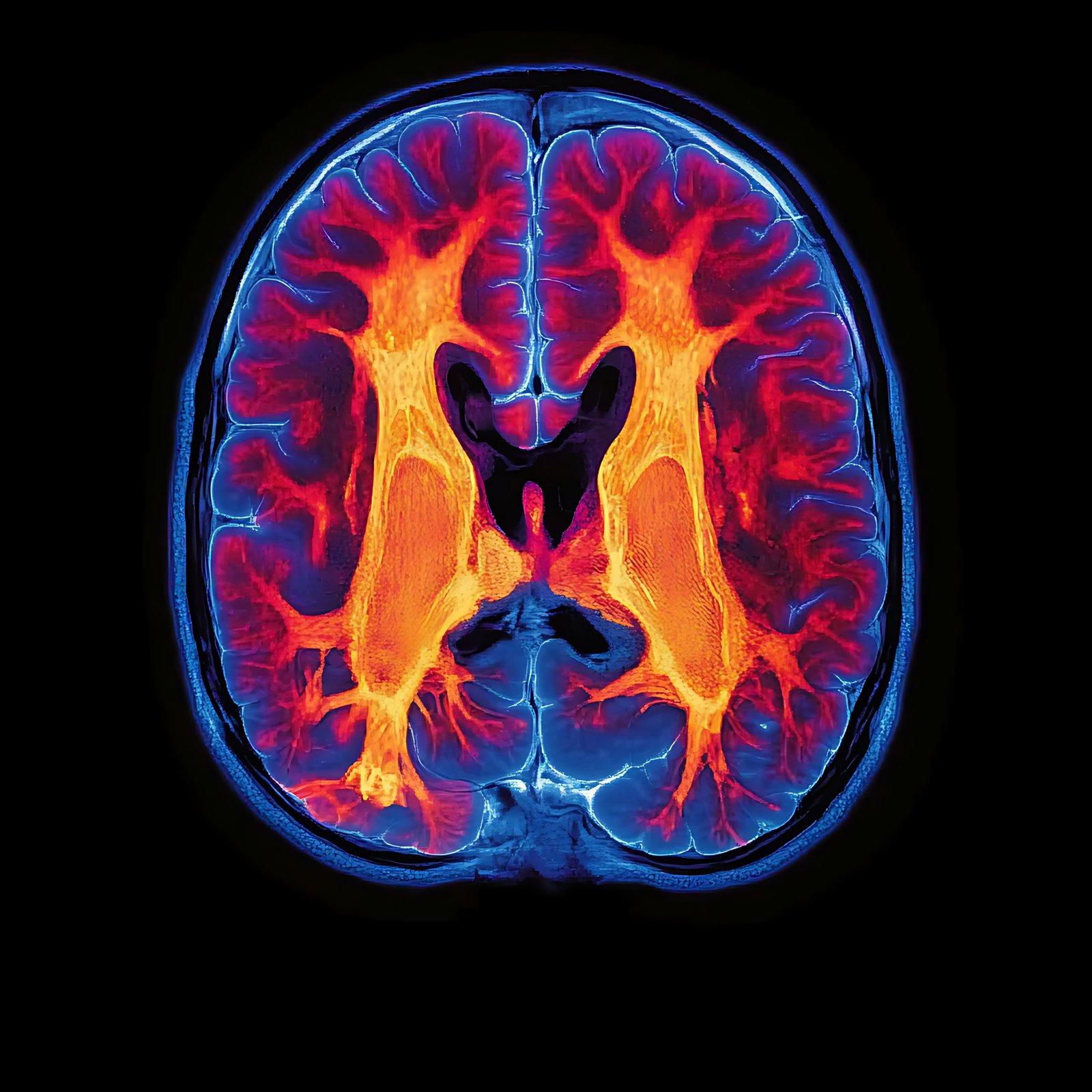
Paraneoplastic encephalitis is a rare immune reaction associated with cancer, where the immune system mistakenly attacks the brain while responding to a tumor elsewhere in the body. It is often linked to lung, breast, ovarian, or testicular cancers.
Symptoms may include memory loss, confusion, seizures, mood changes, and coordination problems. Treatment focuses on identifying and treating the underlying tumor along with immunotherapy.
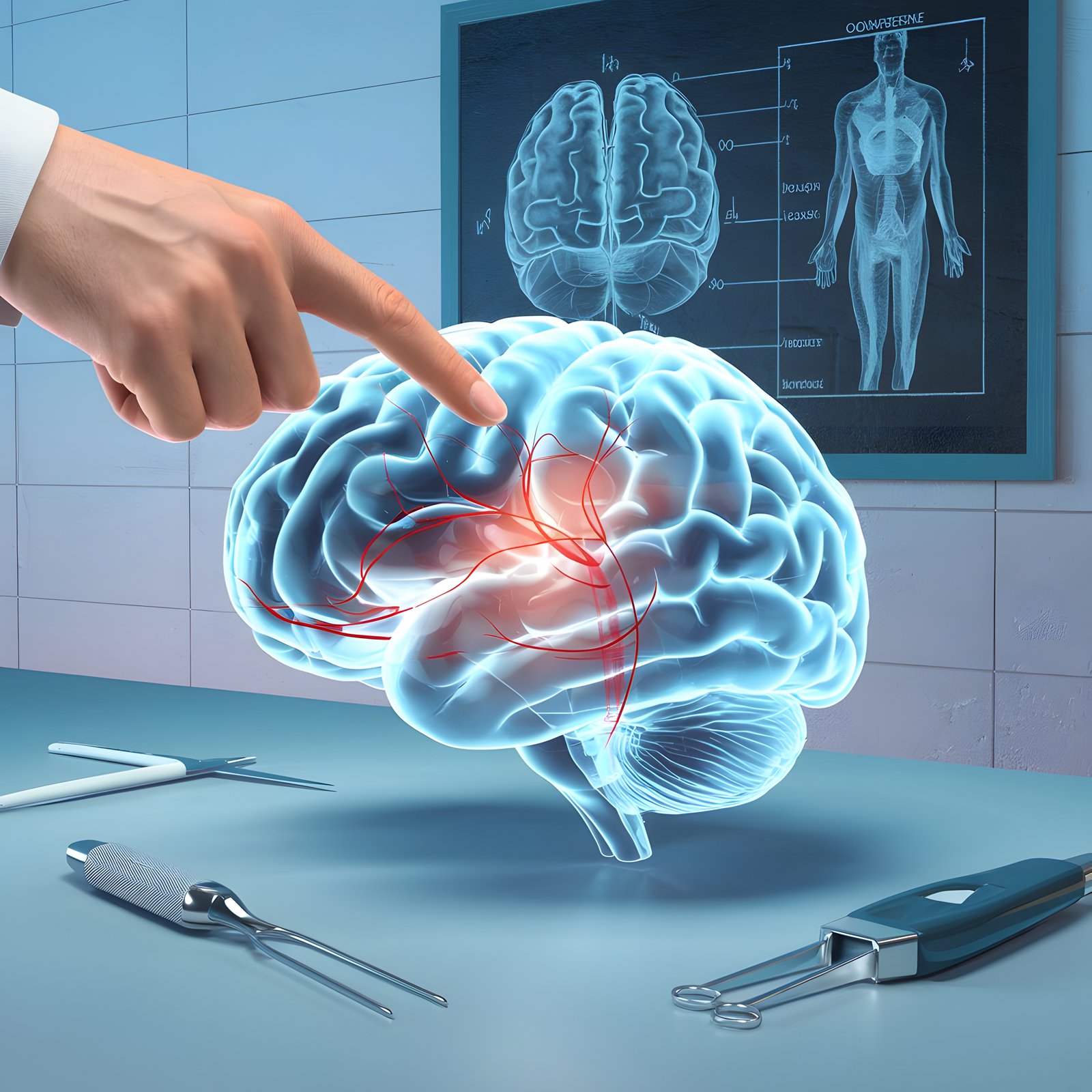
Autoimmune Parkinsonism occurs when immune-mediated inflammation affects brain regions controlling movement, producing symptoms similar to Parkinson’s disease.
Patients may experience tremor, stiffness, slowed movements, and balance problems, often with more rapid progression than typical Parkinson’s disease. Some patients improve with immunotherapy such as steroids or IVIG.
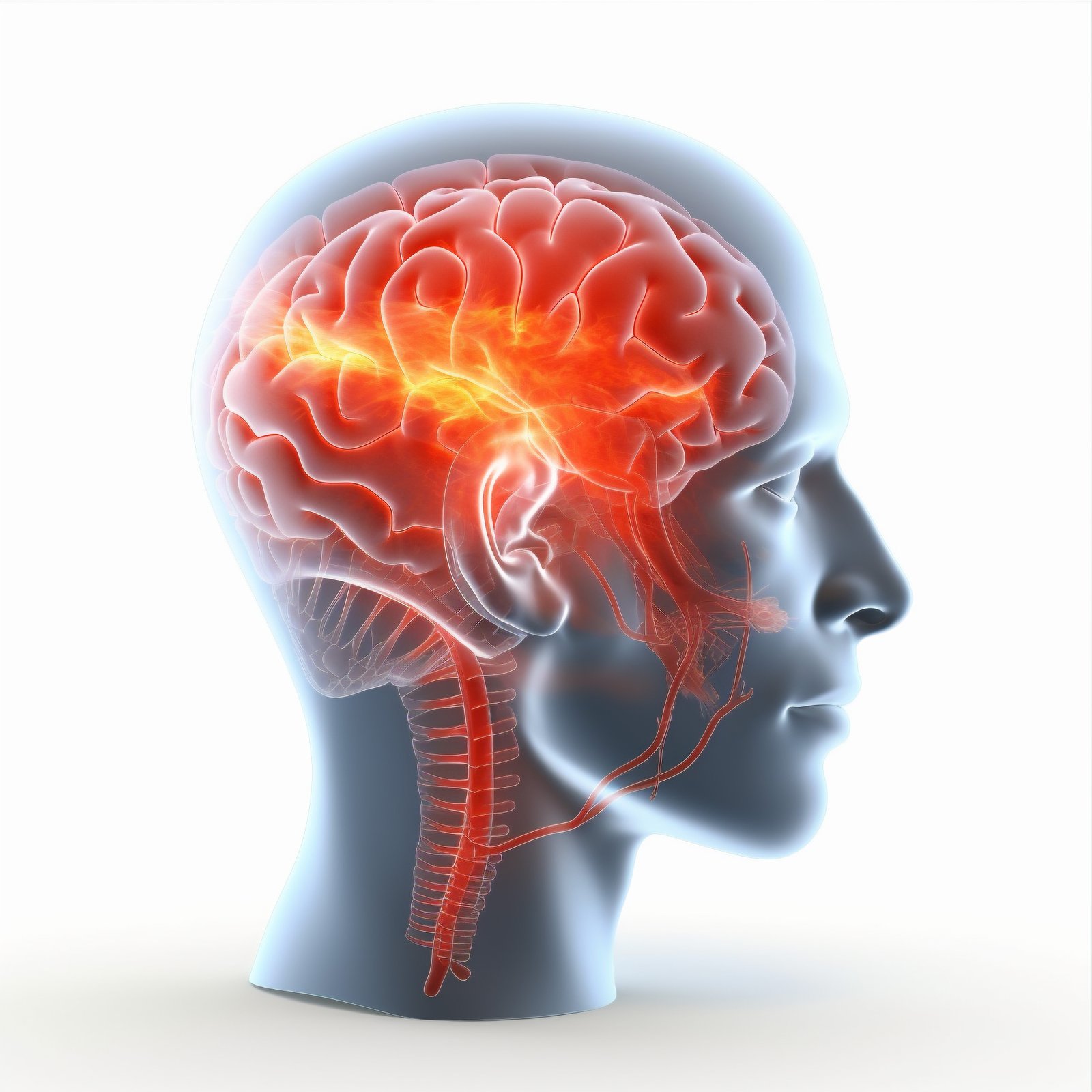
Autoimmune epilepsy is a seizure disorder caused by immune-related inflammation in the brain. It may occur in individuals without a previous history of epilepsy and may not respond fully to standard anti-seizure medications alone.
Common symptoms include frequent focal seizures, memory problems, and behavioral changes. Treatment typically combines immunotherapy with anti-seizure medications.

Autoimmune dementia refers to immune-mediated inflammation of the brain causing rapid cognitive decline. Unlike typical degenerative dementias, these conditions often develop quickly but can improve with early treatment.
Symptoms may include memory loss, confusion, personality changes, speech difficulties, and hallucinations. Early diagnosis and immunotherapy can lead to significant recovery in many patients.